
The "Dream House" Deception: How Catfish Scammers are Manipulating Victims into Buying Homes
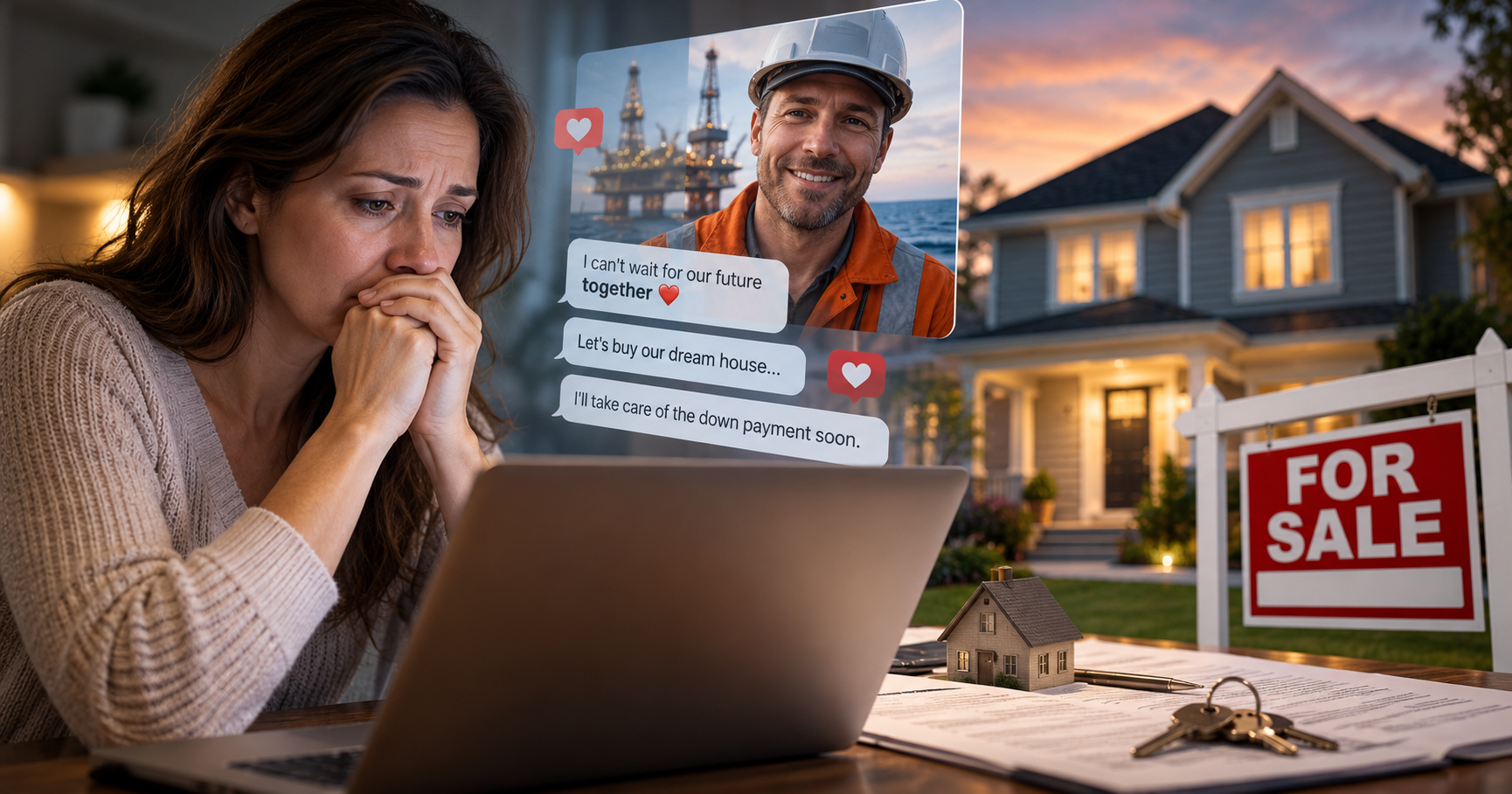
A particularly cruel evolution of the common "romance scam" has emerged, where perpetrators, often posing as overseas workers on oil rigs or in the military, are convincing their unsuspecting "girlfriends" to purchase houses in their name. This devastating tactic not only drains victims of their life savings but can also leave them homeless and emotionally shattered.
These elaborate schemes prey on the loneliness and trust of individuals, building what feels like a genuine, loving relationship over weeks or months of constant communication. The scammer, cloaked in the anonymity of a long-distance relationship, crafts a believable persona of a successful and caring partner who is temporarily unable to manage their own affairs due to their remote location.
The "Oil Rig" and "Overseas" Ploys: A Common Thread
A frequent and effective cover story involves the scammer claiming to be an engineer or contractor on an offshore oil rig. This fabricated profession provides a convenient excuse for their inability to meet in person, patchy communication, and the eventual need for financial "assistance." The isolation of the supposed location makes it difficult for victims to verify their stories and creates a sense of dependency. Similarly, scammers often impersonate military personnel deployed overseas, leveraging the honor and respect associated with the armed forces to build credibility and elicit sympathy.
From Love Bombing to Real Estate Scams
The scam typically begins with a "love bombing" phase, where the victim is showered with affection and promises of a shared future. Once a deep emotional bond is established, the conversation gradually shifts towards solidifying their future together – often culminating in the dream of owning a home.
The scammer will then concoct a story about having a large sum of money that they are unable to access or transfer internationally due to their remote work or military status. They may claim to have received a bonus, an inheritance, or a settlement. To make the ruse more believable, they might even send doctored bank statements or legal documents.
The Trap is Set: A House in Her Name
This is where the real estate element of the scam comes into play. The perpetrator will task their "girlfriend" with finding the perfect house for their future together. This not only strengthens the illusion of a committed relationship but also emotionally invests the victim in the shared "dream."
The scammer claims to have a large sum of money for the down payment or full purchase of the home but needs the victim to cover smaller, immediate expenses. They may even suggest depositing funds into the victim's account, which is a fraudulent check that will later bounce. Once a property is selected, the scammer will instruct the victim to purchase it in her own name, with the promise of reimbursing her as soon as they can transfer their funds. In some cases, the scammer will even convince the victim to sell her own home to finance the new purchase, leaving her in an even more vulnerable position.
Devastating Consequences
Victims of this scam often lose hundreds of thousands of dollars, their homes, and their financial security. The emotional toll is equally catastrophic, as they are left to grapple with the betrayal of someone they loved and trusted. The realization that the entire relationship was a lie can lead to severe depression, anxiety, and a profound sense of isolation.
Law enforcement agencies and consumer protection organizations have issued numerous warnings about this type of fraud, urging individuals to be cautious of online relationships that progress too quickly and involve requests for money or financial transactions.
Red Flags to Watch For:
- Inability to meet in person: The individual consistently has excuses for why they cannot meet face-to-face or even have a video call. Claims to be an oil rig worker, military member, or overseas professional are very common. This job is a common excuse for why they can't meet in person and justifies their need for outside financial help.
- Claims of being "stuck" overseas or on an oil rig: This is a common tactic to explain their absence and create a sense of urgency for financial help.
- Requests for money or financial assistance for any reason: This is the most significant red flag. No legitimate online acquaintance will ask for money.
- Manufacturing a crisis : A financial "emergency" occurs, preventing the scammer from accessing their own money. Common excuses include: A frozen bank account. Issues with a contract or paycheck. The need to pay for transportation, medical expenses, or equipment fees.
- Pressure to make quick decisions, especially regarding finances or real estate. The scammer rushes the victim to send money, often using guilt trips like, "You must not love me if you won't help". They insist on fast, irreversible payment methods like gift cards, wire transfers, or cryptocurrency.
- Promises of a future together that seem too good to be true. The scammer discusses future plans, such as moving in together and buying a dream home, to increase the victim's emotional investment.
- Inconsistent stories or details that don't add up.
https://www.tiktok.com/@advocatingforu/video/7033839522777615662
Experts advise anyone in an online relationship to proceed with extreme caution, to never send money to someone they have not met in person, and to be wary of any requests to engage in financial transactions on their behalf. If something feels wrong, it is crucial to trust your instincts and seek advice from a trusted friend, family member, or law enforcement.
How to protect yourself
- Never send money : Never give or wire money, gift cards, or cryptocurrency to someone you have never met in person, regardless of their story.
- Do your research : Search online for the person's name and do a reverse image search of their profile picture to see if it appears elsewhere.
- Ask specific questions : Ask detailed questions about their job and life on an oil rig. A scammer will likely give vague or incorrect answers.
- Discuss it with others : Talk to trusted friends or family members about the relationship. An outside perspective can often spot red flags that are missed by someone who is emotionally involved.
- Block communication : If you suspect a scam, block all communication with the person immediately and report their profile to the social media or dating platform.
If you have been scammed , report it immediately to the Federal Trade Commission (FTC) at ReportFraud.ftc.gov.
Article links
https://www.tiktok.com/@advocatingforu/video/7033839522777615662
Check out this article next